

Claim:
European sources referred to the Magyars as ’Huns’ from the very first time.
Rebuttal:
In the 9th century Magyars were referred to as ’ungri’ or ’turk’ and it was only in the 10th and 11th centuries that they were identified with the Huns.
In detail:
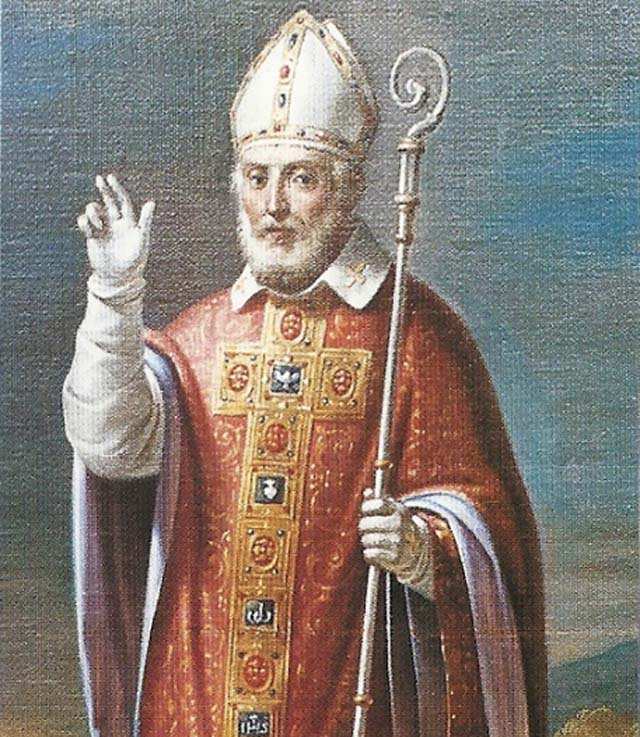
In the 9th and first half of the 10 centuries western authors wrote about a new ’Scythian’ people – where this simply means ’nomads on horseback’ – appeared in Europe whom they called ’ugri’ or ’turk’. The first to identify the Magyars with the Huns was the author who penned the legend of St Geminian. This author (who died before 910) probably misunderstood the prayer that the citizens of Modena used asking God to spare them from the Magyars in the same way as he had spared them from the Huns earlier.
Starting from the second half of the 10th century several sources puts an equation mark between the Huns and the Magyars, but the prevalent tradition at the time was to consider the Magyars the descendants of the Avars. From the 11th century on more and more chroniclers refer to the Magyars as the descendants of the Huns and by the 12th century this had become the dominant view. What gave rise to the initial Magyars=Huns identification in the 10th century was partly the fact that the Magyars lived where Attila’s camp used to be, and they were also horse-riding nomads, with a similar lifestyle and combat style, coming from the east. Besides, their name was similar, in Europe they were called ’Hungarus’, so the connetion with ’Huns’ was easy to make. Soon the Magyars were also referred to as ’the scourge of God’, like Attila had been, and their raids got to be seen as punishment for the ungodly life the peoples of Europe were living.
Common past: knowledge to dispel historical misconceptions – supporting the work of Slovak and Hungarian history teachers through print and online publications, professional conferences. A project of the Association of History Teachers and the Hungarian-language newspaper of the Denník N news portal. (2023-2-HU01-KA210-SCH-000169882)
Funded by the European Union. The information and statements contained herein are those of the author(s) and do not necessarily reflect the official views of the European Union or the Tempus Public Foundation. Neither the European Union nor the funding authority can be held responsible for them.